
Your demo shows the product, but buyers still hesitate
Demos often follow the product, not the buyer. Features are shown in the order they were built, not the order buyers need to understand things. The result is information without orientation.
That usually shows up as:
- long demos that feel impressive but unfocused
- buyers asking “so how would this actually work for us?”
- features shown without clear relevance
- sales struggling to bring the demo back to impact
Buyers don’t hesitate because they’re confused. They hesitate because they can’t yet see themselves succeeding.

A demo isn’t a walkthrough, it’s a decision tool
The job of a demo isn’t to show everything your product can do. It’s to help buyers understand what changes if they choose you and whether that change is worth it.
- what problem they’re really solving
- what changes if they choose you
- what life looks like on the other side
When demos are designed around buyer decisions rather than product structure, they create clarity instead of overload. They help buyers see themselves using the product successfully, not just watching it in action.
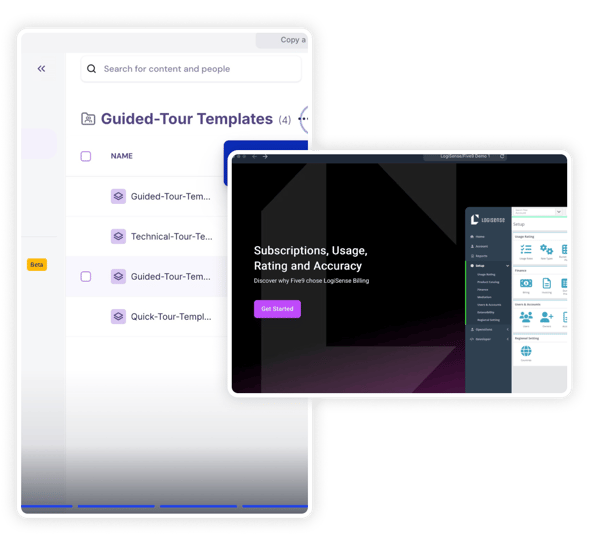
Demos designed around buyer decisions
Our demo work starts with your go-to-market system and sales conversation, not the product itself. We design demos to support the decisions buyers need to make at that moment, rather than trying to show everything at once.
In practice, that means:
- defining the job the demo needs to do in the sales process
- structuring the demo around the buyer’s problem and desired outcome
- showing only what supports the decision being made
- creating interactive demos that invite participation
- aligning demos with sales enablement assets and messaging
- embedding demos into HubSpot and the wider sales workflow
Every demo is designed to move a buyer forward, not just keep them watching.
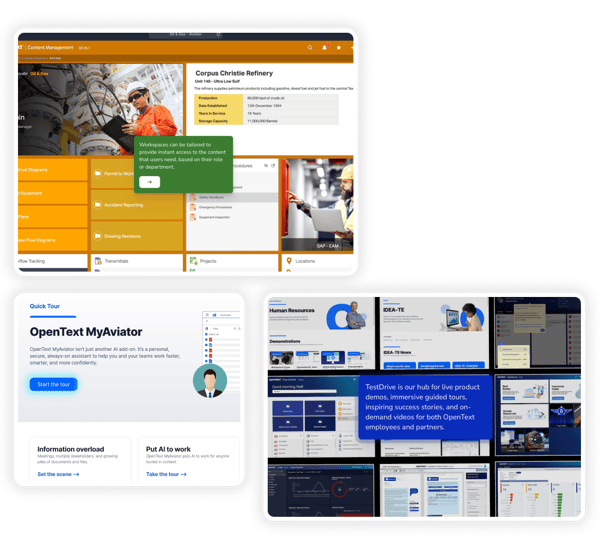
Demos turn interest into commitment
When demos are designed properly, they stop being a risky moment in the sales process. Buyers understand how the product fits their world and what success would look like if they move forward.
That shows up as:
- more focused demo conversations
- fewer “can you show us everything?” requests
- clearer next steps after the demo
- stronger buyer confidence
- deals progressing with less friction
The demo becomes a moment where uncertainty drops and momentum builds.

Turning understanding into commitment

In the Revenue Factory, demos sit at the point where understanding needs to turn into commitment. They bring together your messaging, sales enablement, and process in a live, high-stakes conversation.
When demos are designed as part of the system, they stop being a gamble and start doing the job they were always meant to do.