
HubSpot keeps running, but without a clear go-to-market system, its impact fades over time
Automation quietly breaks as processes change. Data becomes stale. Useful features go unused because teams stick to what they already know. The system keeps running, but it stops improving.
That usually shows up as:
- missed automation opportunities
- existing workflows failing unnoticed
- contact data degrading over time
- teams defaulting to familiar habits
- HubSpot updates being overlooked
The result isn’t a broken system; it’s a gradual drop in the return you get from it.

HubSpot doesn’t look after itself
HubSpot changes constantly, new features, updated behaviour, shifting best practices. At the same time, your business evolves too. Without someone keeping those two aligned, the system naturally drifts.
Users keep working the way they always have. HubSpot keeps changing underneath them. Over time, the gap between how the system could support your go-to-market and how it actually does quietly grows.
Operation isn’t about fixing something that’s broken. It’s about making sure HubSpot keeps doing the job you invested in it for.
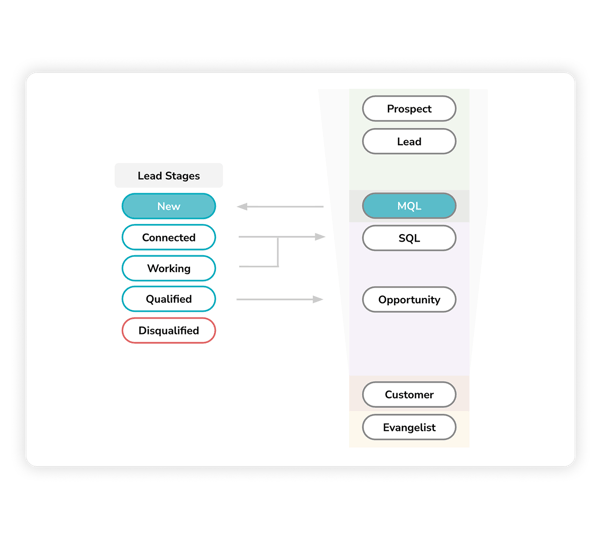
How we keep HubSpot working properly
This isn’t about tickets and tweaks. It’s about making sure HubSpot keeps pace as your business, team, and tooling change.
In practice, that means:
- keeping automations working as processes evolve
- cleaning and maintaining contact and deal data
- reviewing changes before they create knock-on effects
- spotting missed opportunities to simplify or automate
- keeping up with HubSpot updates so value doesn’t get left behind
Most teams are busy using HubSpot to do their jobs. We operate it quietly in the background so it keeps supporting them, without them having to think about it.
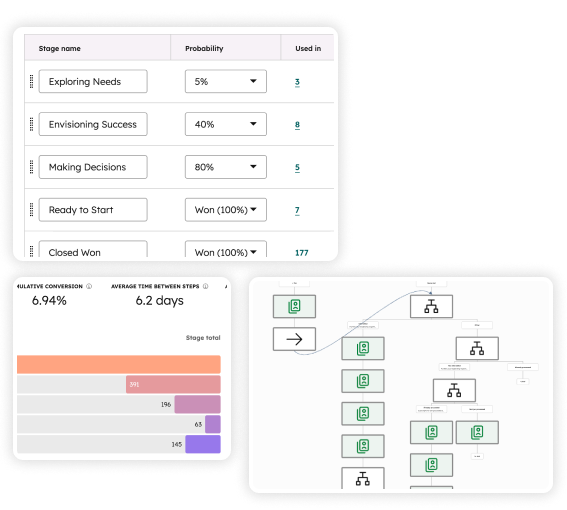
HubSpot starts to guide behaviour
When HubSpot is actively managed, it keeps doing the job it was bought for. Automation continues to remove friction. Data stays accurate enough to trust. The system adapts as the business changes, instead of lagging behind it.
That translates directly into:
- more deals moving forward without manual effort
- fewer gaps, workarounds, and exceptions
- clearer visibility into what’s really happening
- better decisions made earlier
- sustained return on your HubSpot investment
Instead of plateauing, HubSpot becomes a system that continues to improve how your business operates, month after month.

Keeping your system working, day to day

In the Revenue Factory, HubSpot operation is what prevents the system from slowly drifting as the business changes. It’s how automation, data, and process stay aligned long after implementation is complete.
This work sits quietly in the background, but it underpins everything else, sales enablement, demos, reporting, and performance management. Without it, the system keeps running, but it stops delivering the return it should.